
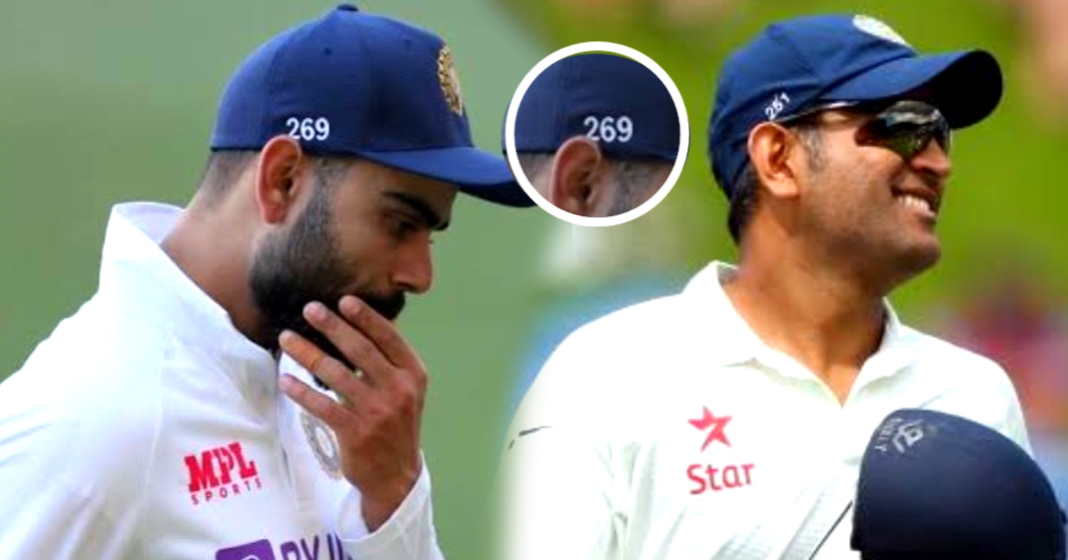
Every time a cricketer makes his debut at the international level, a cap number is assigned to him. Here, we take a look at the significance of the cap number in international cricket.
There are a lot of interesting things in cricket that usually go unnoticed. The cap number is one such thing. We talk more about it in the below headings.
Cap number in international cricket
As per the definition in Wikipedia, “The cap is numbered according to how many players have represented that side before them.” This is self-explanatory. It basically counts the number of cricketers who have represented the nation till then. For instance, India currently has had 308 Test cricketers represent the nation and Mukesh Kumar, who is the latest debutante, was given Cap No.308.
On the other hand, there is one more definition for “cap” in the game of cricket. It could also mean how many times a player has represented the team in that particular format. To provide context, Sachin Tendulkar retired from Tests as the most capped player in the history of the format.
A proud moment for any cricketer
It is a proud moment for any cricketer to receive a cap at the international level. It is a result of their hard work and dedication for all the years before debut.
While a lot of work had to be done in domestic cricket in the past to get this cap, it is becoming a lot easier now. With the emergence of T20 leagues, if a player shows his skills against tough opponents, he could get his cap within the next few weeks itself. This has happened a lot with tournaments such as IPL. However, that is a different conversation. It anyways takes a lot of consistency and dedication to keep on getting caps for a cricketer at the international level. There is also a different side to this debate. For instance, if not for IPL, a player like Jasprit Bumrah might not have got his cap.